


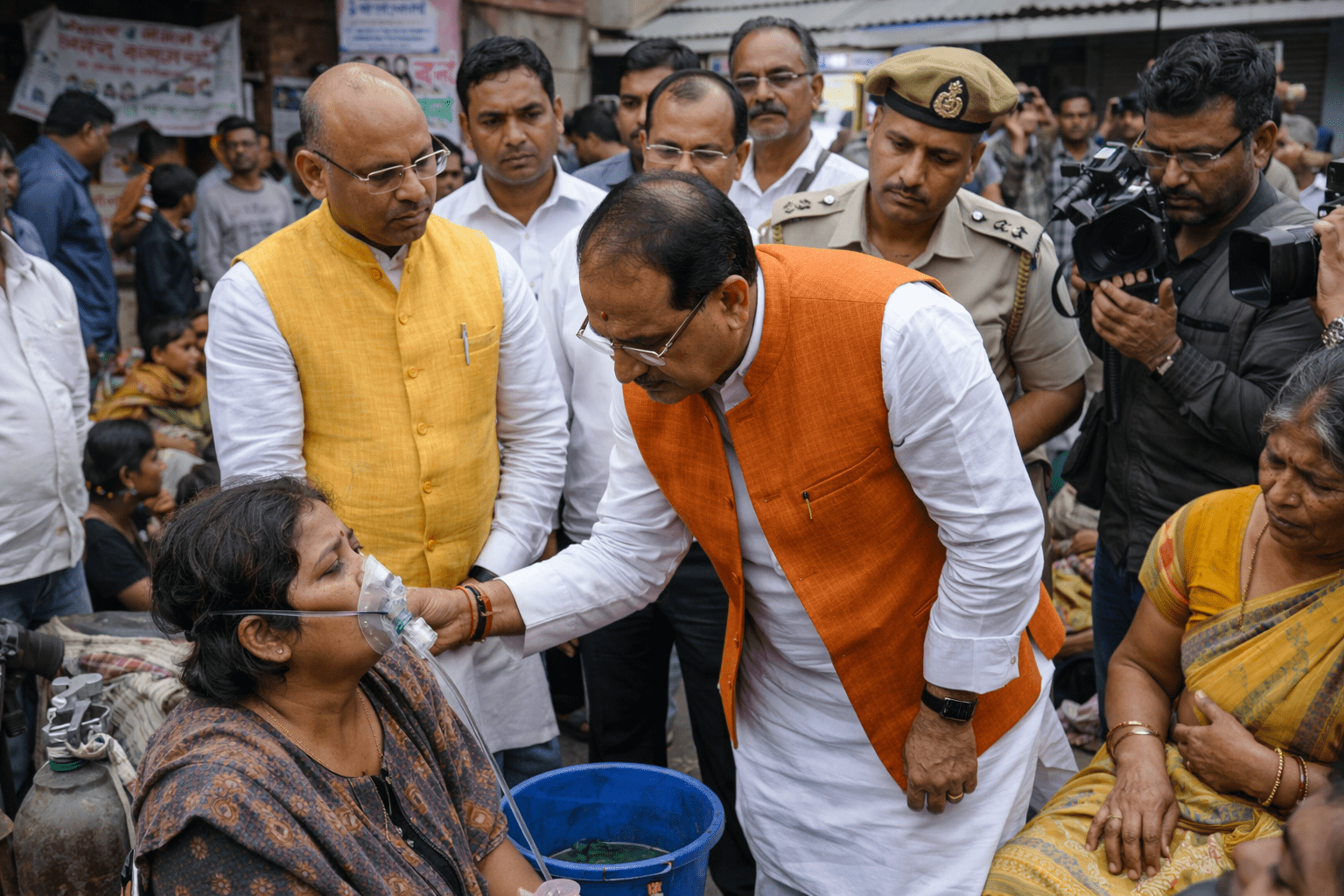
Water is the foundation of life on Earth. Humans, animals, plants, and entire ecosystems depend on clean water for survival. However, rapid industrialization, urbanization, and poor waste management have led to severe water contamination across the world. Contaminated water not only affects human health but also causes long-term damage to the environment. Understanding these impacts is essential to protect both people and nature.
What is contaminated water?
Contaminated water contains harmful substances such as bacteria, viruses, chemicals, heavy metals, pesticides, sewage, or industrial waste. These pollutants enter water sources through untreated sewage, agricultural runoff, factory discharge, plastic waste, oil spills, and improper disposal of chemicals.
Only about 3% of Earth’s total water is freshwater, and roughly 0.5% of that is easily accessible for human use. A large portion of this usable freshwater is contaminated to varying degrees by sewage, chemicals, industrial waste and agricultural runoff.
Effects of Contaminated Water on Human Health
- Spread of Waterborne Diseases
Drinking or using contaminated water can cause serious diseases such as:
- Cholera
- Typhoid
- Diarrhea
- Dysentery
- Hepatitis A
These illnesses are especially dangerous for children, elderly people, and those with
Weak immune systems. In many developing regions, unsafe water remains a leading
Cause of death.
- Long – Term Health Problems
Chemical pollutants like arsenic, lead, mercury, and fluoride can accumulate in the body over time. Long-term exposure may result in:
- Kidney and liver damage
- Nervous system disorders
- Cancer
- Developmental issues in children
Such health problems often go unnoticed until they become severe.
- Impact on Daily Life and Livelihoods
Contaminated water affects cooking, bathing, farming, and sanitation. People may lose workdays due to illness, medical expenses increase, and overall quality of life declines. In rural areas, polluted water directly affects agriculture and food safety.
Effects of Contaminated Water on the environment
- Damage to Aquatic Life
Polluted water reduces oxygen levels and introduces toxins into rivers, lakes, and oceans. This leads to:
- Fish deaths
- Loss of aquatic biodiversity
- Disruption of food chains
Many aquatic species cannot survive in polluted conditions, causing ecosystem
Imbalance.
- Soil and Plant Contamination
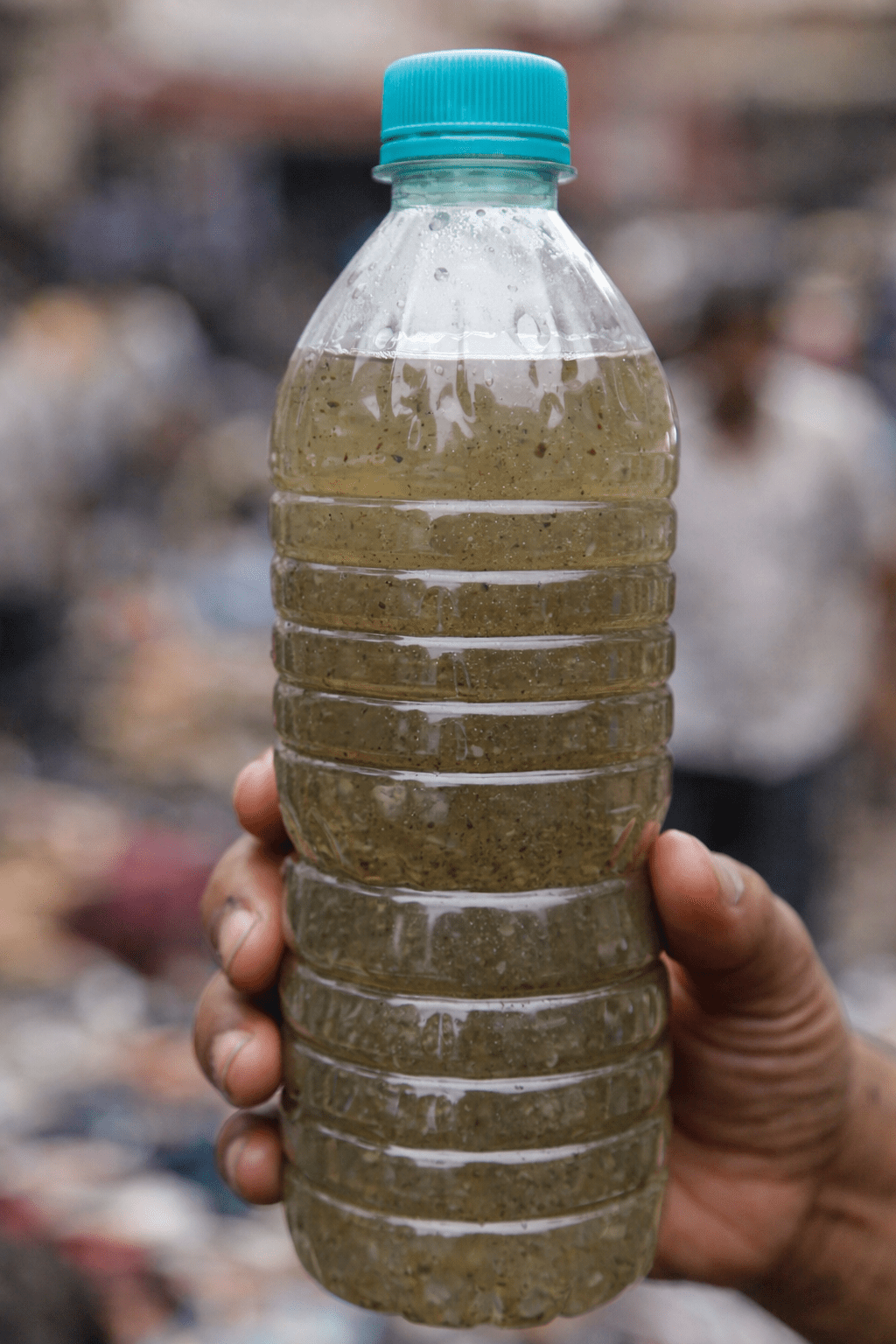
When polluted water is used for irrigation, harmful chemicals seep into the soil. This:
- Reduces Soil fertility
- Affects crop quality
- Allows toxins to enter the food chain
Plants absorb these pollutants, which then pass on to animals and humans.
- Destruction of Ecosystems
Wetlands, rivers, and coastal areas act as natural water purifiers. Continuous pollution overwhelms these systems, leading to habitat destruction and loss of natural water-cleaning abilities.
- Contribution to climate and Environmental Stress
Industrial pollutants and wastewater increase greenhouse gas emissions and worsen environmental stress. Polluted water bodies also contribute to foul odors, algal blooms, and dead zones where life cannot exist.
How Can We Reduce Water contamination?
- Treat sewage and industrial wastewater before discharge
- Reduce plastic and chemical waste
- Promote eco-friendly farming practices
- Use water purifiers for safe drinking water
- Spread awareness about water conservation and pollution control via society.
Conclusion
Contaminated water poses a serious threat to both human health and the environment. Its effects are far-reaching, impacting lives, ecosystems, and future generations. Ensuring access
to clean water is not just a necessity but a responsibility. By taking preventive measures and adopting sustainable practices, we can protect our water resources and create a healthier planet for all.
FAQ’S
- What is Contaminated Water?
Contaminated water is water that contains harmful substances such as bacteria, viruses, chemicals, heavy metals, pesticides, or industrial waste, making it unsafe for drinking, cooking, agriculture, or ecosystem use.
- How does contaminated water affect human health?
It can cause:
- Waterborne diseases (cholera, typhoid, dysentery)
- Diarrhea and gastrointestinal infections
- Skin and eye infections
- Organ damage (kidney, liver)
- Weakened immune system
- Which groups are most vulnerable to water contamination?
Children, pregnant women, elderly people, and individuals with weak immune systems are most at risk due to higher sensitivity to pathogens and toxins.
- Does Contaminated Water impact groundwater?
Yes. Pollutants can seep into groundwater sources, making wells and borewells unsafe and difficult to purify once contaminated.
- Is Contaminated Water a serious issue in India?
Yes. Many regions in India face water contamination due to rapid urbanization, industrial growth, and inadequate wastewater management, affecting both health and the environment.