


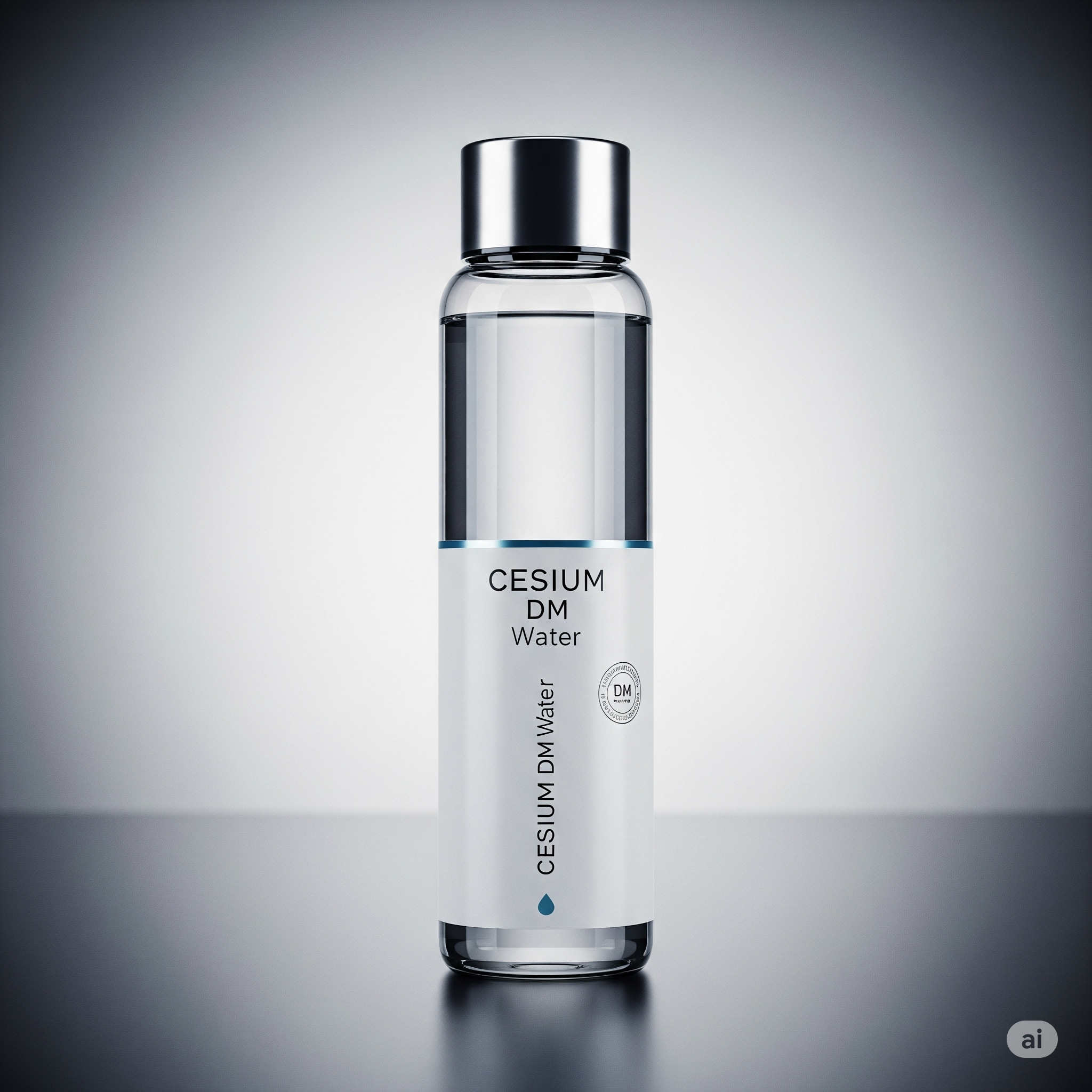
 DM Water for Skin: A Closer Look at the Purity Trend
Demineralized water, often referred to as DM water or deionized water, is increasingly making its way into skincare discussions and product formulations. But what exactly is it, and what does it mean for your skin? This highly purified water, stripped of its mineral ions, offers a range of benefits primarily centred on its purity, though it’s essential to understand its role and limitations in your skincare routine.
What is Demineralized Water?
Demineralized water is water that has undergone a process, typically ion exchange or reverse osmosis, to remove dissolved mineral salts like calcium, magnesium, sodium, and potassium. This results in a highly purified form of water. It is a staple in scientific laboratories and various industries, including cosmetics, where consistency and purity are paramount. CESIUM brand water in dm water is best one.
The Role of DM Water in Skincare Products
You’ll often find “Aqua” or “Water” listed as the first ingredient in many of your skincare products, from cleansers and toners to moisturizers and serums. In most high-quality formulations, this is not your average tap water; it is typically demineralized or distilled water. The rationale for this is straightforward:
- Enhanced Product Stability and Efficacy: The absence of minerals prevents unwanted chemical reactions with other ingredients in the formula, ensuring the product remains stable and performs as intended over its shelf life.
- Improved Absorption: Without dissolved minerals, the water is a “cleaner” solvent, potentially aiding in the better absorption of the active ingredients in the product into the skin.
- Neutral pH: DM water has a neutral pH, which helps in formulating products that are closer to the skin’s natural pH, minimizing the risk of irritation.
Using Demineralized Water Directly on the Skin: The Pros and Cons
The benefits of using DM water within cosmetic formulations have led to curiosity about its direct application on the skin, such as for cleansing or as a facial toner.
The Potential Benefits:
- Reduced Irritation: For individuals with sensitive skin or conditions like eczema, the minerals and chlorine found in tap water can be irritating. Washing your face with DM water can help circumvent this potential trigger.
- Prevents Mineral Buildup: Hard water, which is high in minerals, can leave a residue on the skin that may contribute to clogged pores and a dull complexion for some people.
- A Pure Base for DIY Skincare: For those who create their own skincare preparations, DM water provides a pure, inert base, ensuring that the properties of the other ingredients are not altered.
The Potential Downsides and Considerations:
- The “Leaching” Theory: A theoretical concern is that because demineralized water is devoid of minerals, it may “pull” or “leach” minerals from the skin. However, there is currently no substantial scientific evidence to suggest that topical application of DM water for short durations, like washing your face, would have a significant or harmful demineralizing effect on the skin. Our skin’s barrier is designed to prevent such rapid and extensive loss of essential minerals.
- Not a Source of Hydration from Minerals: While hydrating, DM water does not provide the skin with the trace minerals found in some mineral-rich spring waters, which can have beneficial properties.
- Practicality and Cost: Using demineralized water for daily facial cleansing can be less convenient and more expensive than using tap water.
How to Use DM Water in Your Skincare Routine
If you’re interested in incorporating demineralized water into your skincare, here are a few ways to do so:
- As a Final Rinse: After cleansing with your regular cleanser and tap water, you can use a splash of DM water as a final rinse to remove any mineral residue.
- In a Facial Mist: You can fill a spray bottle with DM water to use as a refreshing facial mist throughout the day. This can be particularly soothing for sensitive skin.
- As a Base for DIY Masks and Toners: When mixing powdered masks or creating your own toners with ingredients like glycerin or herbal infusions, using DM water will ensure the purity of your preparation.
In conclusion, while demineralized water is a cornerstone of cosmetic formulations due to its purity and stability, its direct use on the skin is a matter of personal preference and skin sensitivity. For those with highly sensitive or reactive skin, it can be a gentle alternative to mineral-laden tap water. However, for most people, the benefits of switching to DM water for daily cleansing are likely to be modest. The most significant impact of demineralized water on your skin health will come from its use within well-formulated skincare products.
Demineralized (DM) water, also known as deionized water, offers significant advantages for skin health, primarily due to its purity. Stripped of minerals, salts, and other dissolved impurities found in regular tap water, DM water provides a clean base for skincare, both as a primary ingredient in formulations and for direct application. Here are the major benefits of DM water for the skin.
Benefits in Skincare Formulations
DM water is the foundation of many cosmetic and personal care products, where it is often listed as “aqua.” Its use is critical for creating safe, stable, and effective products.
- Enhanced Product Efficacy and Absorption: The absence of minerals in DM water means it is a pure solvent. This allows the active ingredients in skincare products, such as serums, lotions, and creams, to dissolve properly and penetrate the skin more effectively without interference from mineral ions.
- Improved Product Stability and Shelf Life: Minerals in regular water can react with other ingredients in a formulation, leading to changes in color, texture, and effectiveness over time. By using DM water, manufacturers can ensure the stability and longevity of their products, prevent spoilage and maintain their intended benefits.
- Neutral pH and Reduced Irritation: DM water has a neutral pH, which is close to the skin’s natural pH. This makes it an ideal base for gentle skincare products that are less likely to disrupt the skin’s acid mantle—a protective barrier that helps keep moisture in and bacteria out. This reduces the risk of irritation, making products with a DM water base suitable for all skin types, including sensitive skin.
- Purity and Safety: Because it is free from toxins, pollutants, and microbes, DM water ensures the safety of the final product. Using purified water minimizes the risk of introducing contaminants to the skin that could cause breakouts, rashes, or allergic reactions.
Benefits of Direct Application
Using DM water directly on the skin, for instance, for cleansing, can also offer several advantages, particularly for those with sensitive or problematic skin.
- Prevents Mineral Buildup and Clogged Pores: Hard water, which is common in many areas, contains high levels of minerals like calcium and magnesium. These minerals can leave a residue on the skin that can clog pores and contribute to the formation of acne and blackheads. Washing your face with DM water eliminates this risk.
- Reduces Skin Irritation and Dryness: The minerals in hard water can be harsh on the skin, stripping it of its natural oils and leading to dryness and irritation. For individuals with skin conditions such as eczema, rosacea, or psoriasis, the impurities in tap water can exacerbate symptoms. DM water provides a gentler cleansing experience, helping to maintain the skin’s natural moisture balance.
- Softer and Brighter Complexion: By preventing the dulling film that mineral deposits can leave on the skin, regular use of DM water for cleansing can result in a softer, brighter, and more radiant complexion. Users often report that their skin feels cleaner and looks clearer after making the switch.
- A Clean Base for Your Skincare Routine: When you start your skincare routine by cleansing with DM water, you create a pure canvas for the products that follow. This can enhance the absorption and effectiveness of your serums, moisturizers, and treatments, as they are not competing with a layer of mineral residue.
In summary, the primary benefit of DM water for the skin lies in its purity. Whether as a foundational ingredient in your favourite products or used directly for cleansing, its freedom from minerals and impurities helps to ensure better product performance, reduce irritation, and maintain the overall health and appearance of your skin.
Integrating demineralized (DM) water into your skincare routine is a simple yet effective step, particularly if you live in an area with hard water or have sensitive, reactive skin. Its purity ensures that you are not exposing your skin to the potentially irritating minerals and chlorine found in regular tap water.
Here’s a practical guide on how to incorporate DM water into your daily skincare regimen.
- As a Final Cleansing Rinse
This is the easiest and most common way to use DM water. The goal is to remove any mineral residue left behind by tap water after cleansing.
- Step 1: Cleanse as Usual. Wash your face with your favourite cleanser and regular tap water to remove makeup, dirt, and oil.
- Step 2: Rinse with Tap Water. Thoroughly rinse the cleanser off with tap water.
- Step 3: The Final DM Water Rinse. For the final step, splash your face generously with DM water. You can pour it from a bottle or keep some in a bowl by your sink. This will wash away the hard water residue.
- Step 4: Pat Dry. Gently pat your skin dry with a clean, soft towel. Do not rub. Your skin is now a clean canvas, prepped for the next steps.
- To Create a DIY Face Mist
A DM water-based face mist is perfect for hydrating and refreshing your skin throughout the day without leaving any mineral film.
- What You’ll Need: A clean spray bottle, DM water, and optional ingredients like glycerine (for hydration) or pure rose water (for soothing properties).
- Simple Hydrating Mist Recipe:
- Fill a 100ml spray bottle with DM water.
- Add 1 teaspoon of vegetable glycerine.
- (Optional) Add 1-2 tablespoons of pure rose water.
- Shake well to combine.
- How to Use: Mist your face after cleansing, before applying serum or moisturizer, to help with product absorption. You can also use it to refresh your skin throughout the day, even over makeup.
- For Mixing Clay Masks and Powdered Face Packs
Using tap water to mix powdered masks can introduce minerals that may alter the mask’s intended properties. DM water ensures a pure and effective preparation.
- How to Use: When preparing a clay mask (like bentonite or Fuller’s earth) or any powdered face pack, simply substitute the regular water called for in the instructions with DM water.
- Benefit: This creates a smooth, consistent paste and ensures that the active ingredients of the mask can work without any interference from tap water impurities.
- To Dampen Your Skin Before Applying Serums
Applying serums, especially those containing hyaluronic acid, to damp skin can significantly boost their hydrating effects. Using DM water ensures you are adding pure hydration.
- How to Use: After cleansing and patting your face dry, pour a small amount of DM water into your palms and gently press it onto your skin, or lightly spritz your face with your DIY DM water mist.
- Follow Up Immediately: While your skin is still damp, apply your hyaluronic acid serum or any other hydrating serum to lock in the moisture.
- As a Gentle Makeup Remover Aid
For light makeup, or as a final step after using a primary makeup remover, DM water can be a gentle and effective option.
- How to Use: Soak a soft cotton pad with DM water. You can add a few drops of a gentle, water-soluble cleanser or micellar water if needed.
- Gently Wipe: Sweep the cotton pad across your face to remove remaining traces of makeup and impurities without irritating the skin.
By incorporating DM water into these simple steps, you can help minimise potential irritation from tap water, enhance the effectiveness of your other skincare products, and maintain a healthier, more balanced complexion.
Just as with skin, using demineralized (DM) water for hair care can make a significant difference, especially in areas like Bengaluru where the water is often hard. The core benefit is the same: it eliminates the mineral residue that tap water leaves behind.
The Problem with Hard Water and Hair
Hard water is rich in dissolved minerals like calcium and magnesium. When you wash your hair with it, these minerals create a film on each hair strand. This buildup leads to several common hair problems:
- Dullness: The mineral coating prevents light from reflecting off your hair, making it look lifeless and dull.
- Dryness and Brittleness: Hair can feel rough, straw-like, and become more prone to breakage.
- Frizz and Tangles: The mineral deposits lift the hair’s outer layer (the cuticle), causing friction between strands, which results in frizz and tangles.
- Reduced Product Efficacy: Shampoos don’t lather as well, and conditioners can’t penetrate the hair shaft effectively, making them seem less potent.
- Scalp Buildup: The residue can accumulate on the scalp, sometimes contributing to dryness, itchiness, and flakes.
Benefits of Using DM Water for Hair Care
By using pure, mineral-free DM water, you avoid all the issues mentioned above. Here’s what you can expect:
- Prevents Mineral Buildup: This is the primary benefit. DM water rinses away completely, taking product residue with it and leaving nothing behind on your hair or scalp.
- Enhances Shine and Softness: Without a dulling mineral film, your hair cuticles can lie flat, resulting in naturally softer, shinier, and smoother hair.
- Improves Manageability: Hair becomes less frizzy and easier to detangle and style.
- Boosts Product Performance: Your shampoos will lather more effectively, and your conditioners and hair masks will be better absorbed, allowing them to work as intended.
- Healthier Scalp: A cleaner scalp free from hard water residue is less prone to dryness and irritation.
How to Incorporate DM Water into Your Hair Care Routine
You don’t need to wash your hair entirely with DM water to see the benefits. The most effective and economical method is to use it as a final rinse.
- Of course. Using demineralized (DM) water in your hair care routine is primarily about counteracting the damaging effects of hard tap water.
- Here are the main uses and the benefits they provide:
Primary Uses:
- As a Final Rinse (Most Effective Use):
- After shampooing and conditioning with regular water, you perform one last rinse using DM water. This washes away any mineral deposits (limescale) left on your hair, leaving it in a pure state.
- In a DIY Hair Mist:
- Use DM water as the base for a homemade hair spray. You can mix it with a small amount of leave-in conditioner, aloe vera juice, or a few drops of essential oil. This allows you to refresh and hydrate your hair between washes without adding more mineral buildup.
- For Mixing Hair Masks and Treatments:
- When using powdered hair masks (like clay or herbal packs) or diluting potent treatments like an apple cider vinegar rinse, using DM water ensures the mixture is pure and the active ingredients can work without interference.
Key Benefits of These Uses:
- Prevents Mineral Buildup: This is the core benefit. It stops the formation of a dulling film on the hair shaft.
- Increases Natural Shine: By removing the mineral film, your hair’s natural cuticle can lie flat and reflect light, making it look much shinier.
- Enhances Softness and Reduces Frizz: Hair feels smoother and softer to the touch because the cuticles are no longer propped open by mineral deposits.
- Improves Product Effectiveness: Your shampoos will lather better, and conditioners can penetrate the hair shaft more effectively, giving you better results from your products.1
- Promotes a Healthier Scalp: It prevents the buildup of limescale on the scalp, which can sometimes contribute to dryness, itchiness, and flaking.