


Why High-Purity Water Is Essential for Modern Dental Clinics
Introduction
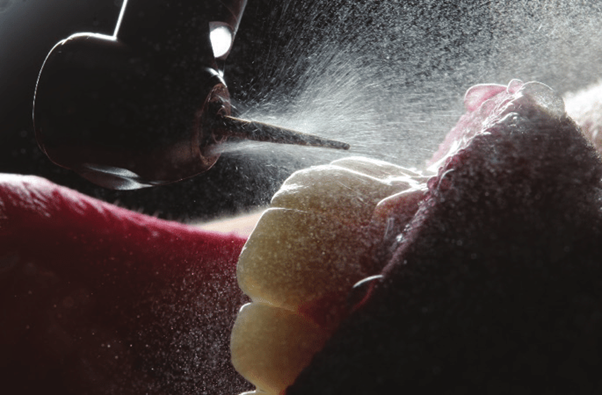
Water plays a critical role in modern dentistry. During treatments such as tooth drilling, scaling, implant surgery, root canal procedures, and equipment cleaning, dental instruments continuously use water.
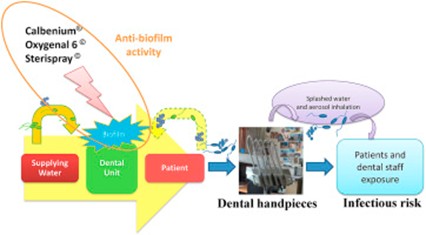
Most dental chairs have Dental Unit Waterlines (DUWLs) that deliver water to handpieces, ultrasonic scalers, and air-water syringes. If the water used in these systems is contaminated, it can introduce harmful bacteria and microorganisms into the patient’s mouth.
Because of this, water quality is one of the most important yet often overlooked factors in dental healthcare.
Using purified water such as distilled water, deionized (DI) water, or laboratory-grade purified water can significantly improve hygiene, patient safety, and treatment outcomes.
Why Water Quality Is Important in Dentistry
Dental procedures involve direct contact between instruments, water, and the patient’s oral cavity. Any contamination in water may reach sensitive tissues, wounds, or surgical areas.
Contaminated water may contain:
- Bacteria
- Fungi
- Viruses
- Heavy metals
- Mineral deposits
- Organic impurities
These contaminants may affect both patient health and dental equipment performance.
Sources of Contaminated Water in Dental Clinics
There are several common sources of contamination in dental clinics.
- Dental Unit Waterlines (DUWLs)
Dental unit waterlines are narrow plastic tubes that supply water to dental instruments.
Because water flows slowly through these tubes, they create a perfect environment for bacterial biofilm growth.
Biofilms can release bacteria into the water used during dental procedures.
- Municipal Tap Water
Regular tap water may contain:
- dissolved minerals
- chlorine
- bacteria
- sediments
- heavy metals
While tap water may be safe for drinking, it may not meet the strict hygiene standards required for medical or dental procedures.
- Poor Equipment Maintenance
If dental waterlines and filters are not cleaned regularly, contaminants may accumulate and affect water quality.
How Contaminated Water Affects Dental Procedures
- Increased Infection Risk
One of the most serious risks of contaminated water is infection.
Harmful microorganisms such as:
- Legionella
- Pseudomonas
- Mycobacterium
may be present in contaminated water.
These pathogens can enter the patient’s mouth during treatment and may cause respiratory infections or oral infections, especially in elderly or immunocompromised patients.
- Biofilm Formation in Waterlines
Biofilm is a layer of bacteria that develops inside water tubing.
Over time, biofilms can:
- contaminate water supply
- clog waterlines
- release bacteria into treatment water
Biofilm buildup is one of the most common causes of poor dental water quality.
- Complications in Dental Surgery
Dental procedures such as:
- implants
- oral surgery
- root canal treatments
require sterile environments.
If contaminated water is used for irrigation, it may interfere with healing and increase the risk of complications.
- Damage to Dental Instruments
Hard water and contaminated water may contain minerals such as calcium and magnesium.
These minerals can cause:
- scaling inside dental equipment
- blockage of water nozzles
- reduced instrument efficiency
Using purified water helps protect expensive dental equipment.
- Poor Patient Experience
Contaminated water may cause:
- unpleasant taste
- odor
- discoloration
This negatively affects patient comfort and may harm the reputation of the dental clinic.
Importance of Purified Water in Dental Clinics
Using purified water such as distilled water, DI water, or sterile water provides several benefits.
Key Advantages
✔ Reduces bacterial contamination
✔ Prevents biofilm formation
✔ Improves dental equipment life
✔ Ensures safer dental procedures
✔ Enhances patient trust and safety
Many modern dental clinics now install water purification systems to maintain high hygiene standards.
Recommended Water Standards for Dental Clinics
Healthcare organizations recommend strict water quality guidelines for dental units.
| Parameter | Recommended Standard |
| Bacterial count | < 500 CFU/ml |
| Mineral content | Very low |
| Total dissolved solids | Minimal |
| Sterility | Required for surgical procedures |
Maintaining these standards ensures safe water for dental treatments.
Best Practices for Dental Water Safety
Dental clinics can improve water quality by following these practices:
- Use distilled or purified water in dental units
- Install water filtration systems
- Disinfect dental waterlines regularly
- Flush waterlines daily
- Monitor bacterial levels periodically
These measures help maintain safe and hygienic dental environments.
Role of High-Purity Water Suppliers
Reliable suppliers of purified water help dental clinics maintain consistent water quality.
High-purity water products commonly used in healthcare include:
- Distilled Water
- Deionized (DI) Water
- Demineralized (DM) Water
- Laboratory Grade Water
These products are widely used in medical, dental, pharmaceutical, and laboratory applications.
About Cesium Products Private Limited
Cesium Products Private Limited supplies high-quality purified water solutions for laboratory, medical, and industrial applications.
Our product range includes:
✔ Distilled Water
✔ Deionized (DI) Water
✔ Demineralized (DM) Water
✔ HPLC Grade Water
✔ Laboratory Grade Purified Water
Our purified water solutions support industries such as:
- Dental clinics
- Hospitals
- Pharmaceutical laboratories
- Biotechnology research centers
- Analytical laboratories
Contact Information
CESIUM PRODUCTS PRIVATE LIMITED
📧 Email: [email protected]
📞 Contact: 9343561104
Supplier of reliable high-purity water solutions for healthcare and research.
Frequently Asked Questions (FAQ)
- Why is water used in dental procedures?
Water is used to cool dental instruments, wash debris, and irrigate treatment areas during dental procedures.
- What happens if dental water is contaminated?
Contaminated water may introduce bacteria into the patient’s mouth and increase infection risk.
- What is biofilm in dental waterlines?
Biofilm is a layer of bacteria that grows inside dental tubing and contaminates water supply.
- What type of water should dental clinics use?
Most dental clinics prefer distilled water, DI water, or sterile water to maintain hygiene standards.
- Can contaminated water damage dental equipment?
Yes. Minerals and impurities can cause scaling, block waterlines, and reduce equipment efficiency.
Conclusion
Water quality is a critical factor in dental healthcare. Contaminated water can introduce bacteria into the patient’s mouth, increase infection risk, damage dental equipment, and reduce treatment quality.
Maintaining clean and purified water systems is essential for safe and effective dental procedures.
By using high-purity water and maintaining proper waterline hygiene, dental clinics can improve patient safety, protect equipment, and ensure reliable treatment outcomes.
High-quality purified water is not just a convenience — it is a fundamental requirement for modern dental practice.