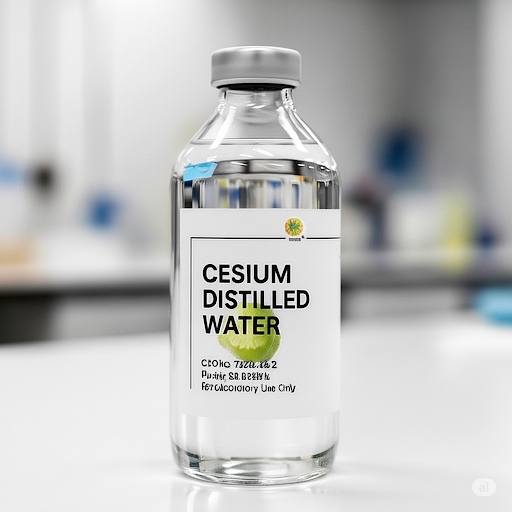
 Water is a material that exists in gaseous, liquid, and solid phases and i made up of the chemical elements hydrogen and oxygen. Water is a material that exists in gaseous, liquid, and solid phases and is made up of the chemical elements hydrogen and oxygen. It is the most necessary substance on Earth.
At room temperature, it is an odourless and tasteless liquid with the crucial capacity to dissolve a wide range of other compounds. Indeed, living things depend on water’s adaptability as a solvent.
Living things rely on aqueous solutions, such as blood and digestive juices, for biological functions, and it is believed that life first emerged in the water.
Distilled Water
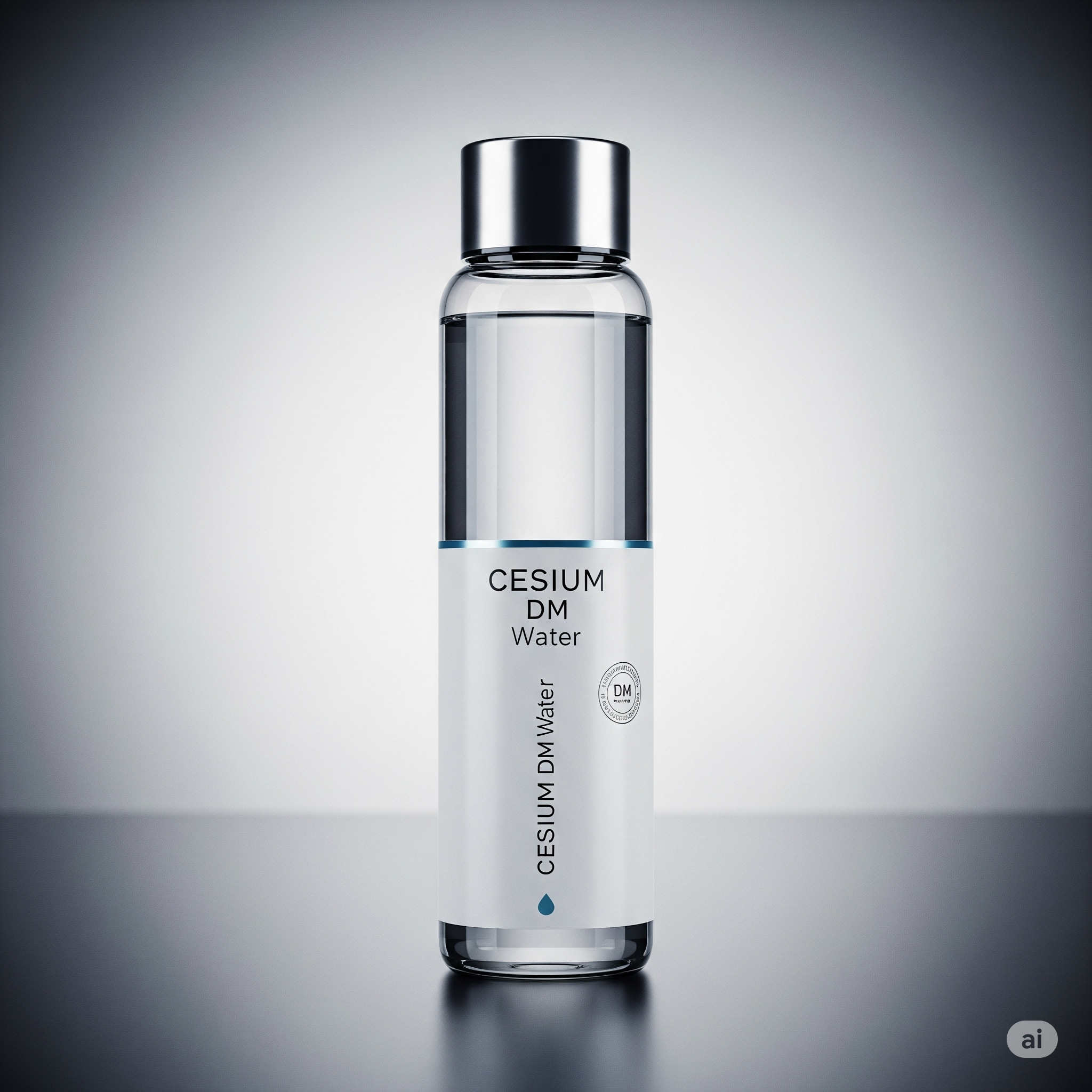
Water that has been boiled and the vapour condensed back into liquid is known as distilled water. When water is brought to a boil, pollutants, minerals (both good and detrimental), biological contaminants, and dissolved gases are eliminated from the final product.
Ways to make distilled water at home
You must pour water into a big pot until halfway full.
Attach a cup to the pot’s lid such that, when the lid is closed, the cup hangs within the pot right side up.
The cup should not come into contact with the water since it should be high enough inside the pot.
Heat the water for 25 minutes.
Vapour is produced during boiling, rises, and then condenses back into water. Distilled water is the water that falls into the cup from the lid.
Sterility Factor of Distilled Water
Distilled water isn’t always sterile. It lacks the comprehensive sterilization that is vital for sensitive and medical applications, notwithstanding its purity. To further grasp their implications and uses.
Let’s now examine how they differ in six important areas.
Freedom from microbes versus purity.
Distillation is the process of turning water into steam and then condensing it back into liquid form to create distilled water. There are no pollutants, impurities, or minerals in distilled water. It will not get rid of every microbe.
Impurity removal vs the Sterilization methods.
The process of distillation, which involves boiling water and turning it into steam, is how distilled water is made. After that, it condenses to return to its liquid state. This aids in the removal of the majority of pollutants, including both organic and inorganic substances.
Sterile water is made by sterilising it using methods like autoclaving, which uses pressurised steam to purify water, or by passing it through extremely tiny filters, which eliminate microorganisms and other contaminants.
Safety
Clean, but not necessarily devoid of pathogens. Although distilled water is often pure and clean, it cannot be guaranteed to be free of pathogens because it might become contaminated when kept in non-sterile containers.
However, as sterile water is kept in secure, sterilised containers to prevent impurities, it is certain to be free of pathogens. Sterilised water is completely free of pollutants and germs because it is meant for medicinal usage.
Usage
Simple handling against the necessity for strict contamination control. Distilled water can be utilised for a variety of reasons and kept in a non-sterile environment. Despite being pure, microbes are still present.
Since sterile water is meant for medicinal use, it must be strictly controlled to prevent contamination. It needs to be carefully controlled to be used for medical purposes, and it is kept in totally sterile containers to maintain its sterility.
Standards
Fulfils sterility requirements as opposed to purity requirements. The process of distillation purifies and eliminates impurities from distilled water. Distilled water is extremely pure since it is devoid of several impurities.
Since sterile water is meant for use in laboratories and medical settings, it must follow strict sterility standards and be sterilized using high-sterilization techniques. Sterile water is absolutely safe and pure since health officials set these requirements.
Medical and lab uses against General use
There are numerous general uses for distilled water. It is utilised in a variety of appliances because it is free of impurities and compounds. Distilled water, for example, is used in humidifiers, steam irons, and automobile batteries.
When mineral-free water is needed, certain labs may utilize distilled water. Since sterile water is totally devoid of germs, it is meant for use in medical settings. It is primarily utilised in a variety of surgical procedures, wound cleaning, and injection preparation. To avoid bacterial interference, sterile water is also utilized in scientific settings for investigations.
Frequently Asked Questions
After opening, is distilled water still sterile?
No, once distilled water is opened, it may come into contact with dangerous bacteria or diseases that could contaminate it; thus, it won’t stay sterile.
Is It Possible to Consume Distilled Water Every Day?
No, drinking distilled water daily is not recommended. It is safe and acceptable to drink occasionally, but it cannot be used as drinking water for an extended period.
Can Distilled Water Support Bacteria?
Even though distilled water eliminates a lot of contaminants, bacteria, and other microbes can get in when it comes into contact with non-sterile materials. But bacteria require nutrition to grow, and distilled water’s lack of minerals may eventually cause them to perish.
Is It Possible to Produce Sterile Water at Home?
Yes, boiling water destroys a lot of bacteria; hence, you may manufacture sterile water at home. This calls for caution, too, as exposing heated water to dangerous bacteria could render it non-sterile.
Is It Possible to Get Diarrhea After Drinking Distilled Water?
Indeed, it is based on the amount of distilled water consumed. The water distilled is purified by eliminating contaminants and minerals, in contrast to mineral-rich water. Some events, such as infections, climate change, particular meals, or illnesses, can cause diarrhoea. It’s generally safe to hydrate with distilled water in moderation.
Conclusion
To use distilled and sterile water for different reasons, it is necessary to understand the main differences between the two.Despite being pure, distilled water can become contaminated when it comes into contact with bacteria or other pathogens. Because sterile water is subjected to stringent sterilisation procedures, it is entirely pure and devoid of microorganisms.
Water filters are an efficient way to remove contaminants and pathogens from water in houses and factories.